
By C. Ellen Connally
In a duel between Ohio gubernatorial candidates with the first name Edward and John, the edge would clearly to go to the Johns — by a mile. While Edward Tiffin got the Edwards off to a good start by becoming Ohio’s first elected governor in 1803, he did not set a precedent. Tiffin parlayed the governor’s office into a seat in the United States Senate, but once again did not set a trend, being the only Edward ever to represent Ohio in the US Senate.
The second Governor Edward, Democrat Edward Noyes, served just one two year term from 1872 – 1874, losing his bid for reelection by 817 votes — a margin of 49.9% to 50.1%, marking the last Edward to serve as Ohio governor.
Johns, on the other hand, have been more successful in getting the office but not for keeping it. War Democrat John Brough (rhymes with “huff”) served as Ohio Governor from 1864 – 1865. A supporter of the Lincoln Administration during the final days of the Civil War and a 19th century version of Chris Christie in terms of size, Brough died at age 53 of gangrene caused by complications of a broken ankle that he suffered in a fall in the yard of the State House. It would take a while for another John to reach the governor’s office.
Democrats elected John M. Pattison in 1905 but unfortunately he holds the distinction of serving the shortest term of anyone elected to the office. Pattison attended his own inauguration and was sworn in. But it was seemingly his last official act. Suffering from Bright’s Disease — a kidney ailment that had killed former President Chester A. Arthur in 1896 — he went from the inauguration to his bed, where he died in June, 1906.
GOP Johns have been far more successful on a state and national level. Republican John W. Bricker was a power house in both Ohio and national politics from the 1930s through the ’50s. He served as Ohio’s Attorney General, three times as Governor, Republican Candidate for Vice President of the US in 1944 and United States Senator from 1946 – 59, when he suffered a surprising defeat at the hands of Democrat Stephen M. Young — who was seen as having no chance of defeating the powerful Bricker.
In terms of the Senate, Johns started out with a bang. In 1803 the Ohio legislature elected John Smith as Ohio’s first senator — a name unlikely to have much voter appeal in the 21st century when Ohio voters elected the likes of Sherrod and Barack. Ohio Senator John Sherman, brother of Civil War General William Tecumseh Sherman, was a significant figure in Civil War and Reconstruction politics. He was elected to both the House and the Senate and served as Secretary of State under Ohioan Rutherford B. Hayes and Secretary of the Treasury under Ohio President William McKinley. Contemporary Ohioans will think first and foremost of former astronaut and presidential candidate, retired Senator John Glenn — a virtual icon of Ohio politics.
Going from the famous to the not so famous, Republican John William Brown is a footnote in Ohio gubernatorial history. He served as governor for 11 days in January of 1957 at the end of the term of Democrat Frank Lausche, who left the office to go to the Senate. But his career in Ohio politics was not over. With John already giving him the edge in voter appeal combined with the powerful Ohio name of Brown, he remained a viable candidate.
Democrat John Gilligan served one term as governor from 1971 – 1975. His dreams of reelection came to an end when former Republican Governor Jim Rhodes sought an unprecedented third term. But Gilligan’s term was a double hit for Johns — the Lieutenant Governor was none other than former eleven day wonder John William Brown.
In 2010, Ohioans elected former Congressman and former Fox News analysis John Kasich governor, who now seeks reelection.
Johns have also done well in Ohio Supreme Court races, edging out Edwards seven to one. The Johns include Civil War era Justice John McLean who went on to serve on the United States Supreme Court. Justice Edward Matthias was the only Edward thus far to serve on Ohio’s high court but he has the distinction of serving the longest of any justice in the court’s history, from 1915 – 1952. Ironically, he was succeeded by his son John Matthias who served from 1954 – 1970.
In terms of the Presidency, there has never been a President or Vice President by the name of Edward. But Johns have done quite well. Johns include Adams, Quincy Adams, Tyler and Kennedy and five vice presidents — Adams, Calhoun, Tyler, Breckenridge and Garner.
This comparison of Johns and Edwards would certainly be incomplete without a least a mention of the now discredited John Edwards, who ran for Vice President in 2004 — Ohio voters got two for the price of one. And what about Edward Moore Kennedy? While an oft mentioned presidential candidate, Kennedy never made it through the primaries but his prominence really didn’t help the name Edward, because he always went by Ted.
Edwards have been devoid not only from national office but from national tickets. To find one you have to go way back into virtual obscurity. Edward Everett — now known only to trivia buffs as the keynote speaker at the dedication of the Gettysburg’s Cemetery in 1863 — he ran for Vice President on the Constitutional Union Party ticket in 1860. Edward Teichert was the Socialist Labor candidate for President in 1944 and 1948 — again known only to trivia buffs.
So what’s in a name? Will the next gubernatorial election alter the Edward versus John saga? There are currently at least two such men dueling it out. The ultimate decision will be up to the voters. But if you are betting on the Governor’s race for 2014 and beyond, the odds would favor John — that is if you look at Ohio history.
[Pictured, L to R: John Sherman, Edward Noyes, John W. Bricker]
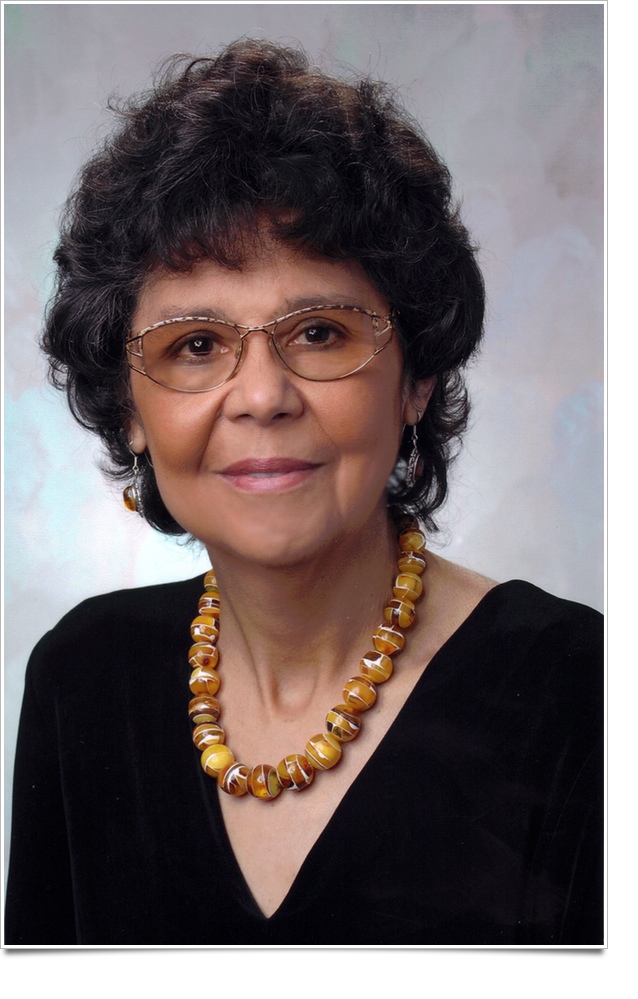 C. Ellen Connally is President of the Cuyahoga County Council (Democrat – District 9) and a former Judge of the Cleveland Municipal Court. She holds a BS from Bowling Green State University; a JD from Cleveland State University; a Master in American History from Cleveland State University and is a PhD Candidate in American History from the University of Akron.