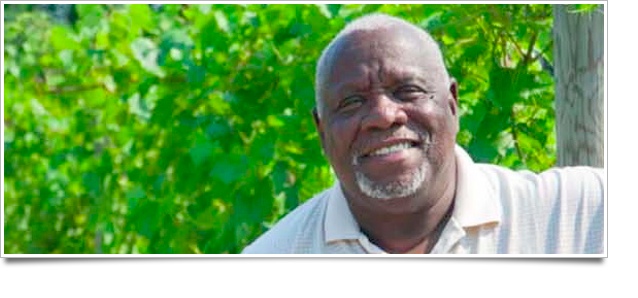
By Mansfield Frazier
Back in the day, when someone overdosed the best they could hope for was to be thrown into the backseat of a car, driven to the nearest emergency room, and dumped out. Perhaps a panicked call was made to notify staff that someone was dying right outside their door. The driver and everyone else involved (probably abusers all) simply would not want to get involved with — or hassled by — authorities. It now appears as if we’re heading down than same dark alley once again.
In spite of holding a high-level summit on heroin abuse, developing public service spots warning of the drug’s dangers, and passing a bill in the Ohio Legislature allowing friends and family members to carry life-saving noloxone (which, in a matter of seconds after being administered can reverse an overdose), police and prosecutors are preparing to do what they know how to do best: Lock people up … no matter if they were the dealer or were in any tangential way associated with the person who overdosed.
That means if a bunch of addicts pool their money to score drugs, one of them drives the car to buy the drugs (or was even just in the car when the deal went down and didn’t use drugs), they all will now be open to felony prosecution — maybe even for manslaughter. One thing is for sure: drug abusers certainly won’t be calling first responders anymore if someone’s breathing gets shallow. They’re going to dump them somewhere or simply run, leaving them to die.
While it’s understandable that law enforcement wants to hold someone accountable when an addict commits “accidental suicide,” the real — more serious — focus should be on preventing deaths, rather than catching the guilty folks after someone has overdosed.
At the heroin summit held last November on Cleveland Clinic’s campus, directors of agency after agency decried their lack of funds and described what they could accomplish with more money to address the problem. That is, all of the agencies except one: law enforcement. They’re seemingly never short of funds to apply solutions that have been proven for over the past 40 years to have a marginal impact at best, if any.
European-style harm reduction is the only real answer long-term, and once every addict can find a treatment bed on demand, and other life-saving options are fully funded … if law enforcement then still wants to continue to try to police its way out of the problem they can go right ahead.
Here’s the mistake law enforcement always makes in their collective thinking: That if they raise the punitive ante high enough it will serve as a deterrent to dealers and enablers, but that logic has been proven flawed. New dealers immediately come along to take the place of old ones, and users simply vow to be more careful, not to quit using. That vow lasts perhaps a week, at most.
Does anyone in law enforcement really believe that any addict will get up in the morning and say, “Gee, I’d better not go get high today because they just made the law tougher.”? Addicts’ brains simply don’t work that way … I know from personal experience, having been clean now for over a quarter century — knock-wood.
But what is bound to happen as the law enforcement hammer is dropped is that an overzealous officer somewhere is going to stop someone and search their car or person, and when they find noloxone they’ll ask, “What are you doing with this stuff? You do know what it’s for, don’t you? Do you know someone who shoots up? Who are they? You need to just tell us and save yourself from getting into a ton of trouble.” If you don’t believe the above little curbside vignette it simply means you’re not at all streetwise … you’re living in a bubble.
Once word of one or two such stops begins to spread like wildfire though the drug subculture, there’s a good chance that before long no one will care to be caught carrying the life-saving nasal spray. Rarely are untended consequences considered, and to law enforcement every problem always looks like a nail.
 From Cool Cleveland correspondent Mansfield B. Frazier mansfieldfATgmail.com. Frazier’s From Behind The Wall: Commentary on Crime, Punishment, Race and the Underclass by a Prison Inmate is available again in hardback. Snag your copy and have it signed by the author by visiting http://NeighborhoodSolutionsInc.com.
3 Responses to “MANSFIELD: When All You Have is a Hammer…”
Dick Peery
Quit knocking law enforcement. Cops don’t write the laws.This is not even about law enforcement. It’s more flexible than that. It’s about control. It’s a selective tool for managing the behavior of the young, the frustrated, the dispossessed. That’s how the government during Reagan administration was able to get a handle on the angry inner city permanently unemployed. They just had drug smugglers shuttle arms into Nicaragua and bring back the makings of crack cocaine on the return trips. And don’t we still have Marines guarding poppy fields in Afghanistan? Maybe not, but you get the point.
Jim Smith
I agree w/ Dick — let’s not knock front line officers who, hammer-yielding tho’ they be, are merely enforcing the law. These are dumb laws, created by disconnected politicians still stuck in a 1920’s drug enforcement model, many of whom also still believe that addiction is a choice, like sexual orientation or mental illness, and thus fixable thru penalties.
Prohibition last century did not work, and you’d think that in 100 years we might have elected some politicians bright enough to take those lessons and apply them to drugs. Sadly, no. But that’s still the place we need to start. I agree with 100% of what you say, Mansfield, if you make one tiny edit to this post: replace “police” and “law enforcement” with “legislators” and “politicians” and notice how it reads just as true or truer.
As always, thanks for saying so well what needs to be said!
Mansfield Frazier
Jim,
I agree with your broader definition of who created and perpetuates the problem … but the latitude police have in carrying out their duties is very broad indeed. My next week’s article will go into more detail on that. But thanks for the thoughtful response.